088791 47158
drsambitnanda@mail.com
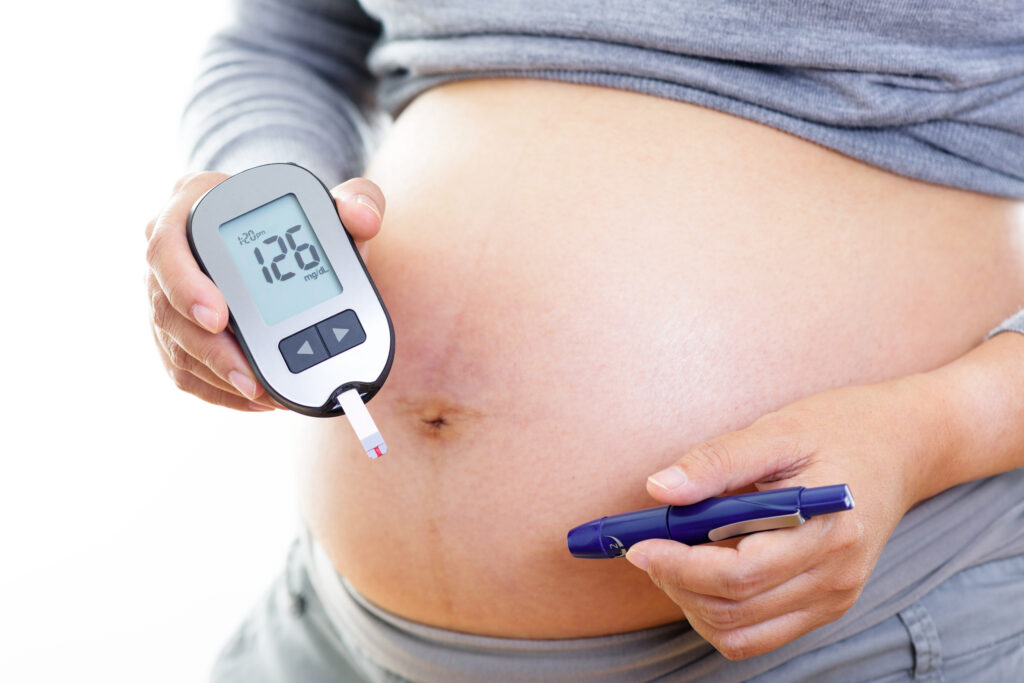
Diabetes during pregnancy, also known as gestational diabetes, requires careful monitoring and expert medical guidance to protect both mother and baby. Proper blood sugar control helps prevent complications such as excessive baby weight, delivery challenges, and newborn health issues if left unmanaged.
Dr. Sambit Nanda, a trusted Obstetrician & Gynecologist in Andheri West, provides comprehensive diabetes management in pregnancy including early screening, personalized diet counselling, lifestyle guidance, regular fetal monitoring, and medical treatment when required.
Gestational diabetes is a type of diabetes that develops during pregnancy when the body cannot produce enough insulin to manage increased blood sugar levels. It usually appears during the second or third trimester and typically resolves after delivery.
Diagnosis usually involves:
These tests help doctors identify high blood sugar levels early.
1️⃣ Healthy Diet Plan
A balanced diet with controlled carbohydrates helps maintain stable blood sugar levels.
2️⃣ Regular Physical Activity
Light exercise such as walking can help regulate glucose levels.
3️⃣ Blood Sugar Monitoring
Regular monitoring ensures blood sugar stays within safe limits.
4️⃣ Medication or Insulin (If Required)
If lifestyle changes are not enough, insulin therapy or medications may be recommended.
5️⃣ Frequent Prenatal Check-ups
Regular visits allow doctors to monitor the baby’s growth and the mother’s health.
If gestational diabetes is not controlled, it may lead to:
Proper management greatly reduces these risks.
Managing diabetes during pregnancy requires careful monitoring and medical guidance. With expert supervision from Dr. Sambit Nanda, patients receive:
Women may have a higher risk if they:
Doctors usually diagnose gestational diabetes through screening tests such as:
Management usually includes:
In most cases, blood sugar levels return to normal after childbirth. However, women who had gestational diabetes have a higher risk of developing type 2 diabetes later in life, so regular follow-up is important.
Dr. Sambit Nanda is well known Obstetrician & Gynaecologist in Andheri West. Providing comprehensive women’s healthcare including pregnancy care, menstrual disorder treatment, infertility management and advanced gynecological surgeries with personalized care for every stage of a woman’s life.
© 2026 Created with DR.SAMBIT NANDA – Obstetrician & Gynaecologist in Andheri West