
Male and Female Fertility: Why Both Partners Need to Be Evaluated Recent post Male and Female Fertility: Why Both Partners Need to Be Evaluated Endometriosis and Fertility: What Every Woman Needs to Know Painful Periods (Dysmenorrhea): Causes, Symptoms & Treatment If you’ve been trying to conceive without success, you’re not alone. 1 in 6 couples worldwide faces infertility — and in nearly half of those cases, the cause is related to the male partner. Yet most couples only get the woman tested first. That delay can cost valuable time. The most important thing a couple can do early on? Get evaluated together. What Is Infertility? Infertility is defined as the inability to conceive after 12 months of regular, unprotected intercourse. For women over 35, the threshold is 6 months. It’s more common than most people realize — and it’s rarely just a “woman’s problem.” Causes can lie with either partner, or sometimes both at the same time. Male Infertility: More Common Than You Think Male factor infertility accounts for nearly 40–50% of all infertility cases. But men often delay testing due to stigma or the assumption that it’s “not their issue.” Common causes of male infertility include: Low sperm count (oligospermia) or no sperm (azoospermia) Poor sperm motility — sperm that can’t swim well enough to reach the egg Abnormal sperm morphology (shape) Varicocele — enlarged veins in the scrotum that affect sperm production Hormonal imbalances affecting testosterone and sperm production Infections or blockages in the reproductive tract Lifestyle factors: smoking, alcohol, obesity, chronic stress, heat exposure A basic semen analysis is all it takes to start. It’s quick, non-invasive, and gives critical information. Female Infertility: Key Causes to Know Women can face fertility challenges due to hormonal, structural, or age-related factors. Common causes include: Ovulation disorders — irregular or absent ovulation Polycystic Ovary Syndrome (PCOS) — one of the most common causes of female infertility Endometriosis — affects egg quality, fallopian tubes, and implantation Blocked or damaged fallopian tubes (often from past infections or pelvic surgeries) Uterine fibroids, polyps, or structural abnormalities Diminished ovarian reserve (DOR) — reduced egg quantity or quality Age-related decline in fertility, especially after 35 Thyroid disorders and other hormonal imbalances A female fertility evaluation typically includes blood tests (AMH, FSH, LH, thyroid), transvaginal ultrasound, ovulation tracking, and in some cases a hysteroscopy or laparoscopy. Why Both Partners Should Be Tested at the Same Time Faster, More Accurate Diagnosis Testing both partners simultaneously cuts down on diagnostic delays. Instead of ruling out one partner at a time, your doctor gets the full picture upfront — and can recommend the right treatment sooner. Tailored Fertility Treatment Plans Whether the path forward is timed intercourse, IUI, IVF, or laparoscopic surgery, the treatment needs to address all contributing factors — from both sides. A joint evaluation makes that possible. Better IVF and ART Success Rates Understanding both male and female fertility factors — sperm quality, ovarian reserve, uterine health — directly improves the success rates of assisted reproductive technologies like IVF and ICSI. Emotional Support and Shared Responsibility Infertility is emotionally exhausting. When both partners are involved from the start, it reduces the burden on one person and builds a stronger foundation for navigating treatment together. Fertility-Friendly Lifestyle Changes Simple lifestyle adjustments can meaningfully improve fertility outcomes for both partners: For Men Maintain a healthy BMI — obesity lowers testosterone and sperm quality Eat antioxidant-rich foods (zinc, selenium, vitamin C, E) Avoid tight underwear, saunas, and prolonged heat exposure Quit smoking and limit alcohol Manage stress — chronic stress affects sperm production For Women Maintain a healthy weight — both underweight and overweight affect ovulation Track your menstrual cycle and ovulation window Take folic acid and key micronutrients before trying to conceive Avoid smoking and reduce alcohol intake Manage conditions like PCOS, thyroid disorders, or endometriosis proactively When Should You See a Fertility Specialist? Don’t wait too long. Seek expert evaluation if: You’ve been trying to conceive for 12 months without success The female partner is over 35 and has been trying for 6 months Periods are irregular, very heavy, or absent There is a history of PCOS, endometriosis, or pelvic infections There have been one or more miscarriages The male partner has known concerns about sperm health or hormonal issues Either partner has had prior pelvic or reproductive surgery Early evaluation leads to faster diagnosis and significantly better treatment outcomes. Dr. Sambit Nanda — Best Fertility Specialist in Andheri, Mumbai Dr. Sambit Nanda is a highly experienced gynaecologist and laparoscopic surgeon in Andheri, Mumbai, specializing in the evaluation and treatment of both male and female infertility. He offers comprehensive fertility workups, advanced diagnostic testing, and individualized treatment plans — from ovulation induction and IUI to IVF coordination and laparoscopic or robotic surgery for conditions like endometriosis and fibroids. If you’re looking for the best fertility specialist in Andheri or Mumbai, Dr. Sambit Nanda provides evidence-based, compassionate care to help couples at every stage of their fertility journey. Frequently Asked Questions (FAQs) Q1. Should both partners be tested for infertility? Absolutely. Since infertility affects both men and women equally, testing only one partner can lead to missed diagnoses and delayed treatment. A joint evaluation gives a complete picture and speeds up the process. Q2. What does a basic fertility evaluation include? For men: a semen analysis to check sperm count, motility, and morphology. For women: blood tests (AMH, FSH, LH, thyroid), transvaginal ultrasound to assess ovarian reserve and uterine health, and ovulation tracking. Additional tests may be recommended based on findings. Q3. What is AMH and why does it matter? AMH (Anti-Müllerian Hormone) is a blood test that measures ovarian reserve — essentially how many eggs a woman has left. It’s one of the most important markers in a female fertility assessment and helps guide decisions about IVF timing and protocol. Q4. Can PCOS affect fertility? Yes. PCOS (Polycystic Ovary Syndrome) is one of the most common causes of ovulation disorders and female infertility. With the right
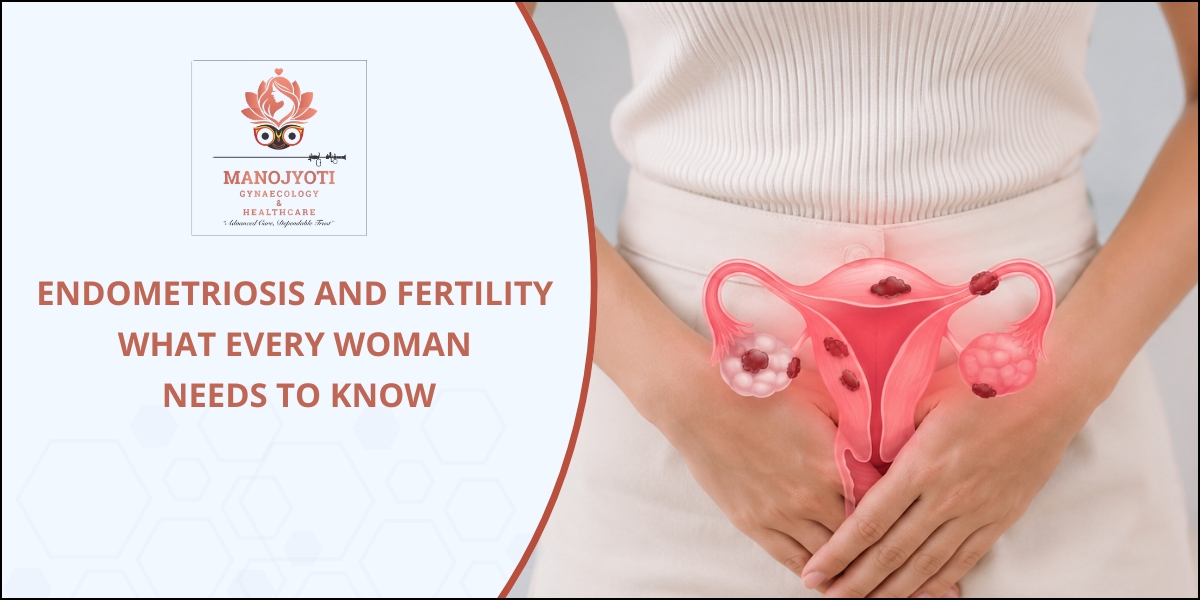
Endometriosis and Fertility: What Every Woman Needs to Know
Endometriosis and Fertility: What Every Woman Needs to Know Recent post Endometriosis and Fertility: What Every Woman Needs to Know Painful Periods (Dysmenorrhea): Causes, Symptoms & Treatment If you’ve been struggling with painful periods, chronic pelvic pain, or difficulty getting pregnant — endometriosis may be the reason. You’re not alone, and more importantly, there are real treatment options that can help. What Is Endometriosis? Endometriosis is a condition where tissue similar to the uterine lining grows outside the uterus — on the ovaries, fallopian tubes, or other pelvic organs. This misplaced tissue causes inflammation, scarring, and adhesions that can affect your fertility and quality of life. It affects 1 in 10 women of reproductive age and is one of the leading causes of female infertility — yet it often goes undiagnosed for years. Common Symptoms of Endometriosis Symptoms can vary, but watch out for: Severe menstrual cramps and painful periods (dysmenorrhea) Chronic pelvic pain between periods Pain during or after sex (dyspareunia) Heavy or irregular menstrual bleeding Difficulty getting pregnant (endometriosis-related infertility) Painful bowel movements or urination during periods Bloating, fatigue, and digestive issues Important: Mild symptoms don’t always mean mild disease. Many women with severe endometriosis have minimal pain — and vice versa. How Does Endometriosis Affect Fertility? Studies show that 30–50% of women with endometriosis face fertility challenges. Here’s how the condition interferes with conception: 1. Blocked or Damaged Fallopian Tubes Scar tissue and adhesions can distort pelvic anatomy, preventing the egg from reaching the uterus. 2. Ovarian Cysts (Endometriomas) Endometriosis can cause cysts on the ovaries that reduce egg quality and ovarian reserve — a key factor in IVF success rates. 3. Pelvic Inflammation Chronic inflammation creates a hostile environment for fertilization and embryo implantation. 4. Hormonal Imbalance Endometriosis disrupts hormonal balance and immune function, interfering with ovulation and implantation. Treatment Options for Endometriosis and Infertility Treatment depends on your age, symptom severity, and whether you’re trying to conceive. Laparoscopic Surgery for Endometriosis Minimally invasive laparoscopy is the gold standard for diagnosing and treating endometriosis. A skilled laparoscopic surgeon can: Remove endometriosis lesions and scar tissue Drain or excise ovarian endometriomas (endometriosis cysts) Restore normal pelvic anatomy Improve natural conception rates in selected patients Robotic Laparoscopic Surgery Robotic-assisted laparoscopy offers greater precision, 3D visualization, and enhanced dexterity — especially for complex or deep infiltrating endometriosis. It allows for thorough excision with minimal damage to surrounding healthy tissue, which is crucial for preserving fertility. Assisted Reproductive Technologies (ART) When natural conception is difficult, fertility treatments may be recommended: Ovulation induction with hormonal medications Intrauterine Insemination (IUI) In Vitro Fertilization (IVF) — often the most effective option for moderate-to-severe endometriosis Tips If You Have Endometriosis and Want to Conceive Don’t wait — see a specialist early if you have symptoms Get a fertility assessment if you’ve been trying for 12 months (or 6 months if over 35) Ask about fertility preservation before any ovarian surgery Maintain a healthy diet and lifestyle to support hormonal balance Work with a gynecologist experienced in endometriosis-related infertility Consult Dr. Sambit Nanda — Endometriosis & Fertility Specialist in Andheri, Mumbai Dr. Sambit Nanda is a leading gynecologist and laparoscopic surgeon in Andheri, Mumbai, specializing in the diagnosis and surgical management of endometriosis. With expertise in both conventional and robotic laparoscopy, he provides individualized, evidence-based care for women dealing with pelvic pain, endometriosis-related infertility, and complex gynecological conditions. If you’re looking for the best endometriosis treatment in Mumbai, Dr. Sambit Nanda combines cutting-edge surgical techniques with a compassionate approach to help you achieve the best possible outcomes — whether that means pain relief, natural conception, or assisted fertility treatment. For consultations on endometriosis, laparoscopic surgery, robotic surgery, or fertility treatments in Andheri, Mumbai — reach out to Dr. Sambit Nanda’s clinic today. Contact Number : 8879147158 Frequently Asked Questions (FAQs) Q1. Can endometriosis cause infertility? Yes. Endometriosis is one of the most common causes of female infertility. It can block fallopian tubes, damage ovarian reserve, and create an inflammatory environment that affects fertilization and implantation. Q2. Can I get pregnant naturally with endometriosis? Many women with mild to moderate endometriosis do conceive naturally. However, those with moderate-to-severe disease or poor ovarian reserve may need fertility treatments such as IUI or IVF. Q3. Does laparoscopic surgery improve fertility? Yes, in selected cases. Laparoscopic excision of endometriosis lesions and cysts can improve natural conception rates and IVF outcomes by restoring normal pelvic anatomy and reducing inflammation. Q4. What is the advantage of robotic laparoscopy for endometriosis? Robotic-assisted laparoscopy provides superior precision and 3D visualization, making it especially effective for deep infiltrating endometriosis. It allows complete excision of lesions while minimizing damage to surrounding tissue, which helps preserve fertility. Q5. When should I see a specialist? See a gynecologist if you have symptoms suggestive of endometriosis, or if you have been unable to conceive after 12 months of trying (6 months if you are over 35). Early diagnosis leads to better outcomes. Q6. Is IVF the only option if I have endometriosis? Not necessarily. Depending on the stage of endometriosis and your ovarian reserve, options range from laparoscopic surgery to IUI or IVF. A thorough fertility evaluation will help determine the best treatment plan for you.
Painful Periods (Dysmenorrhea): Causes, Symptoms & Treatment
Painful Periods (Dysmenorrhea): Causes, Symptoms & Treatment Recent post Painful Periods (Dysmenorrhea): Causes, Symptoms & Treatment Periods are a natural part of every woman’s life, but for many women, monthly periods come with severe pain that interferes with daily activities. Painful periods, medically known as dysmenorrhea, are one of the most common gynecological problems affecting teenagers, working women, and even mothers. While mild cramps are normal, severe period pain is NOT something you should ignore. Let’s understand why painful periods happen and how they can be treated effectively. What Are Painful Periods (Dysmenorrhea)? Dysmenorrhea refers to cramping pain in the lower abdomen during menstruation. The pain may start before periods or during the first 1–2 days of bleeding. Some women experience manageable discomfort, while others may have intense pain that affects work, school, sleep, or routine activities. Types of Dysmenorrhea 1. Primary Dysmenorrhea This is the most common type. 2. Secondary Dysmenorrhea This type occurs due to an underlying medical condition such as: Secondary dysmenorrhea often develops later in life and may worsen over time. Common Causes of Painful Periods Pain during periods mainly happens because the uterus contracts to shed its lining. Common causes include: Symptoms of Dysmenorrhea If pain prevents normal daily activities, medical consultation is important. When Should You See a Gynecologist? Consult a doctor if you notice: These signs may indicate an underlying condition requiring treatment. Diagnosis of Painful Periods A gynecologist may recommend: Proper diagnosis helps in identifying the exact cause of pain. Treatment Options for Painful Periods Treatment depends on the cause and severity of symptoms. Lifestyle Changes Home Remedies Medications Advanced Treatments For secondary dysmenorrhea: Early treatment prevents long-term complications and improves quality of life. Can Painful Periods Affect Fertility? Occasional period pain does not affect fertility. However, conditions like endometriosis or fibroids may impact pregnancy if untreated. That is why persistent menstrual pain should never be ignored. Tips to Reduce Period Pain Naturally Painful Periods Are Treatable — You Don’t Have to Suffer Many women believe severe period pain is normal and learn to tolerate it. In reality, modern gynecology offers effective solutions that can significantly reduce or even eliminate menstrual pain. Early consultation helps diagnose hidden conditions and ensures long-term reproductive health. Consult Dr. Sambit Nanda – Best Gynecologist in Andheri, Mumbai Dr. Sambit Nanda is a highly experienced Gynecologist & Obstetrician in Andheri, Mumbai, specializing in the diagnosis and treatment of painful periods, hormonal disorders, menstrual irregularities, fibroids, endometriosis, and women’s reproductive health concerns. Dr. Sambit Nanda provides personalized care to help women achieve pain-free and healthy menstrual cycles. Women experiencing severe menstrual cramps or recurring period pain consult Dr. Sambit Nanda for accurate diagnosis and effective long-term treatment. Book an appointment : +91 8879147158