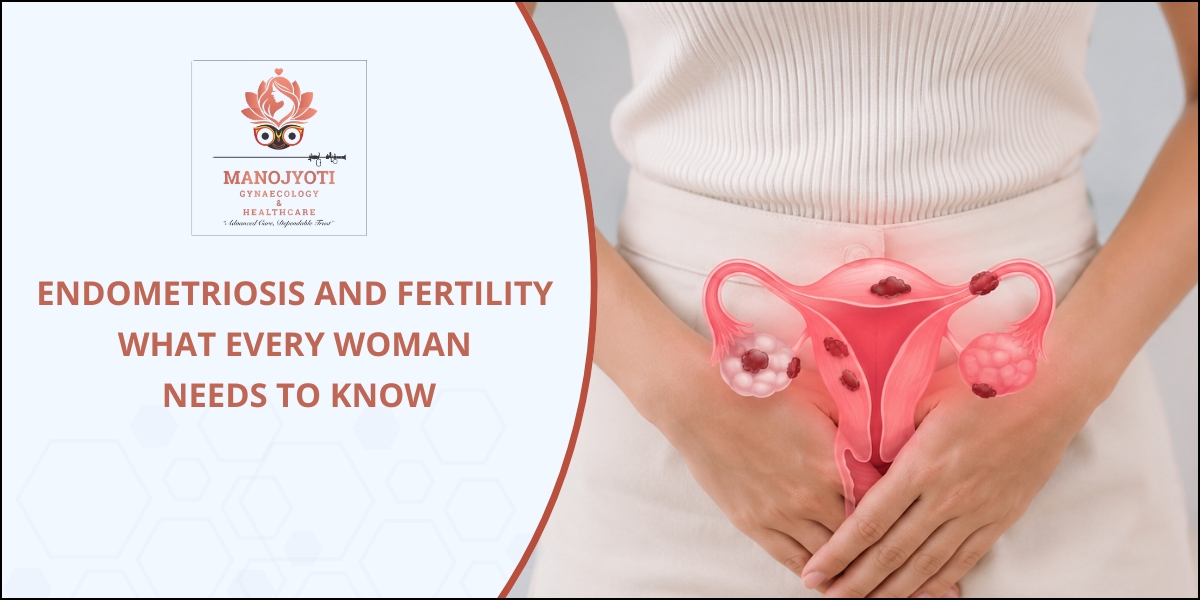
Endometriosis and Fertility: What Every Woman Needs to Know
Recent post
If you’ve been struggling with painful periods, chronic pelvic pain, or difficulty getting pregnant — endometriosis may be the reason. You’re not alone, and more importantly, there are real treatment options that can help.
What Is Endometriosis?
Endometriosis is a condition where tissue similar to the uterine lining grows outside the uterus — on the ovaries, fallopian tubes, or other pelvic organs. This misplaced tissue causes inflammation, scarring, and adhesions that can affect your fertility and quality of life.
It affects 1 in 10 women of reproductive age and is one of the leading causes of female infertility — yet it often goes undiagnosed for years.
Common Symptoms of Endometriosis
Symptoms can vary, but watch out for:
- Severe menstrual cramps and painful periods (dysmenorrhea)
- Chronic pelvic pain between periods
- Pain during or after sex (dyspareunia)
- Heavy or irregular menstrual bleeding
- Difficulty getting pregnant (endometriosis-related infertility)
- Painful bowel movements or urination during periods
- Bloating, fatigue, and digestive issues
Important: Mild symptoms don’t always mean mild disease. Many women with severe endometriosis have minimal pain — and vice versa.
How Does Endometriosis Affect Fertility?
Studies show that 30–50% of women with endometriosis face fertility challenges. Here’s how the condition interferes with conception:
1. Blocked or Damaged Fallopian Tubes
Scar tissue and adhesions can distort pelvic anatomy, preventing the egg from reaching the uterus.
2. Ovarian Cysts (Endometriomas)
Endometriosis can cause cysts on the ovaries that reduce egg quality and ovarian reserve — a key factor in IVF success rates.
3. Pelvic Inflammation
Chronic inflammation creates a hostile environment for fertilization and embryo implantation.
4. Hormonal Imbalance
Endometriosis disrupts hormonal balance and immune function, interfering with ovulation and implantation.
Treatment Options for Endometriosis and Infertility
Treatment depends on your age, symptom severity, and whether you’re trying to conceive.
Laparoscopic Surgery for Endometriosis
Minimally invasive laparoscopy is the gold standard for diagnosing and treating endometriosis. A skilled laparoscopic surgeon can:
- Remove endometriosis lesions and scar tissue
- Drain or excise ovarian endometriomas (endometriosis cysts)
- Restore normal pelvic anatomy
- Improve natural conception rates in selected patients
Robotic Laparoscopic Surgery
Robotic-assisted laparoscopy offers greater precision, 3D visualization, and enhanced dexterity — especially for complex or deep infiltrating endometriosis. It allows for thorough excision with minimal damage to surrounding healthy tissue, which is crucial for preserving fertility.
Assisted Reproductive Technologies (ART)
When natural conception is difficult, fertility treatments may be recommended:
- Ovulation induction with hormonal medications
- Intrauterine Insemination (IUI)
- In Vitro Fertilization (IVF) — often the most effective option for moderate-to-severe endometriosis
Tips If You Have Endometriosis and Want to Conceive
- Don’t wait — see a specialist early if you have symptoms
- Get a fertility assessment if you’ve been trying for 12 months (or 6 months if over 35)
- Ask about fertility preservation before any ovarian surgery
- Maintain a healthy diet and lifestyle to support hormonal balance
- Work with a gynecologist experienced in endometriosis-related infertility
Consult Dr. Sambit Nanda — Endometriosis & Fertility Specialist in Andheri, Mumbai
Dr. Sambit Nanda is a leading gynecologist and laparoscopic surgeon in Andheri, Mumbai, specializing in the diagnosis and surgical management of endometriosis. With expertise in both conventional and robotic laparoscopy, he provides individualized, evidence-based care for women dealing with pelvic pain, endometriosis-related infertility, and complex gynecological conditions.
If you’re looking for the best endometriosis treatment in Mumbai, Dr. Sambit Nanda combines cutting-edge surgical techniques with a compassionate approach to help you achieve the best possible outcomes — whether that means pain relief, natural conception, or assisted fertility treatment.
For consultations on endometriosis, laparoscopic surgery, robotic surgery, or fertility treatments in Andheri, Mumbai — reach out to Dr. Sambit Nanda’s clinic today.
Contact Number : 8879147158
Frequently Asked Questions (FAQs)
Q1. Can endometriosis cause infertility?
Yes. Endometriosis is one of the most common causes of female infertility. It can block fallopian tubes, damage ovarian reserve, and create an inflammatory environment that affects fertilization and implantation.
Q2. Can I get pregnant naturally with endometriosis?
Many women with mild to moderate endometriosis do conceive naturally. However, those with moderate-to-severe disease or poor ovarian reserve may need fertility treatments such as IUI or IVF.
Q3. Does laparoscopic surgery improve fertility?
Yes, in selected cases. Laparoscopic excision of endometriosis lesions and cysts can improve natural conception rates and IVF outcomes by restoring normal pelvic anatomy and reducing inflammation.
Q4. What is the advantage of robotic laparoscopy for endometriosis?
Robotic-assisted laparoscopy provides superior precision and 3D visualization, making it especially effective for deep infiltrating endometriosis. It allows complete excision of lesions while minimizing damage to surrounding tissue, which helps preserve fertility.
Q5. When should I see a specialist?
See a gynecologist if you have symptoms suggestive of endometriosis, or if you have been unable to conceive after 12 months of trying (6 months if you are over 35). Early diagnosis leads to better outcomes.
Q6. Is IVF the only option if I have endometriosis?
Not necessarily. Depending on the stage of endometriosis and your ovarian reserve, options range from laparoscopic surgery to IUI or IVF. A thorough fertility evaluation will help determine the best treatment plan for you.