Uterine Fibroids: Symptoms, Monitoring, and Removal Options
Recent post
Heavy periods. Pelvic pressure. Bloating that won’t go away. If any of this sounds familiar, uterine fibroids could be the reason. They’re one of the most common gynecological conditions in women of reproductive age — and one of the most misunderstood.
The good news? Having fibroids does not automatically mean you need surgery. Many women can be safely monitored. Others benefit from minimally invasive treatment. The right plan depends on your symptoms, fibroid size and location, and whether you want to have children.
What Are Uterine Fibroids?
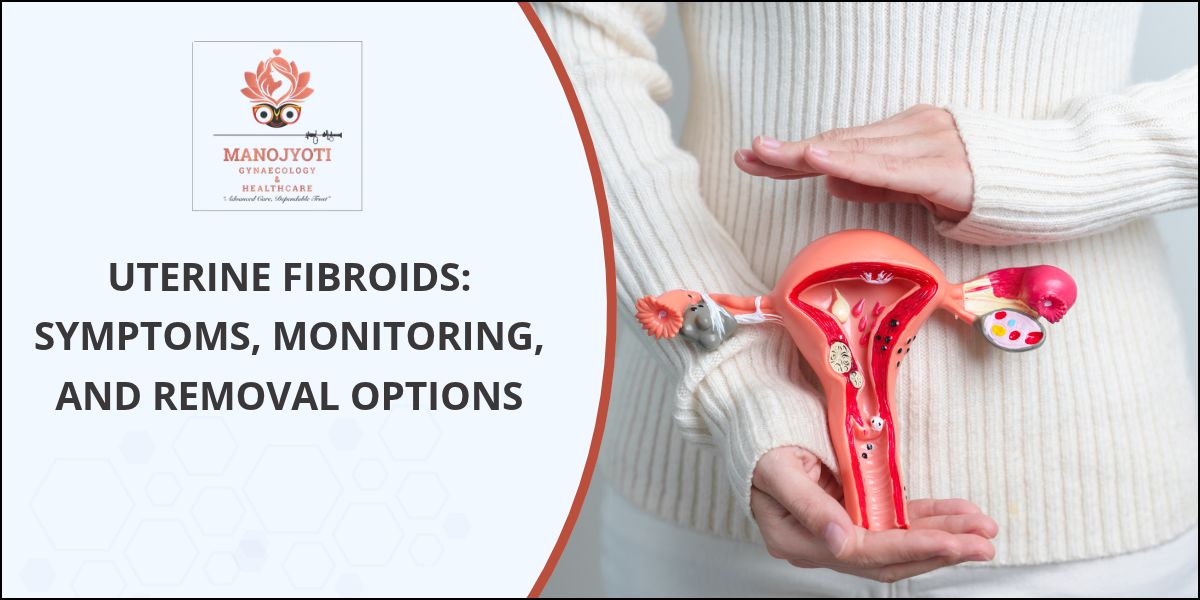
Uterine fibroids (also called leiomyomas or myomas) are non-cancerous growths that develop from the muscular wall of the uterus. They can be tiny or grow several centimetres in size, and a woman can have one or several at the same time.
Fibroids are classified by where they grow:
- Intramural fibroids — within the uterine wall (most common)
- Submucosal fibroids — just beneath the inner lining; most likely to cause heavy bleeding and affect fertility
- Subserosal fibroids — on the outer surface of the uterus; can press on nearby organs
- Pedunculated fibroids — attached to the uterus by a stalk
Location often matters more than size when deciding on treatment.
Common Symptoms of Uterine Fibroids
Many women with fibroids have no symptoms at all. When symptoms do appear, they can significantly affect daily life:
- Heavy or prolonged menstrual bleeding (menorrhagia)
- Severe menstrual cramps and pelvic pain
- Pelvic pressure or a feeling of heaviness
- Frequent urination or difficulty emptying the bladder
- Lower back pain or constipation
- Pain during intercourse
- Abdominal bloating or visible enlargement
- Fatigue and anaemia from chronic blood loss
- Difficulty conceiving or recurrent pregnancy loss
Important: If your periods have become noticeably heavier, longer, or more painful than usual, don’t dismiss it as ‘normal’. Get evaluated.
How Are Uterine Fibroids Diagnosed?
Diagnosis usually starts with a detailed menstrual and medical history, followed by a pelvic examination. A transvaginal or abdominal ultrasound is the standard imaging tool to identify fibroids, assess their size and location, and rule out other conditions.
For complex cases, an MRI may be recommended to get more detailed information before planning treatment. Blood tests to check for anaemia (due to heavy bleeding) are often done alongside imaging.
Do All Fibroids Need to Be Removed?
No. Small fibroids with no or minimal symptoms are often managed with watchful waiting and regular monitoring. Many fibroids don’t require intervention at all.
Monitoring is appropriate when:
- The fibroid is small and not growing rapidly
- Symptoms are mild or absent
- Anaemia is not present or is well-controlled
- Fertility is not being affected
- The woman is approaching menopause (fibroids often shrink after menopause)
Monitoring does not mean ignoring new symptoms. Any change in bleeding, pain, or urinary habits should prompt a reassessment.
Treatment Options for Uterine Fibroids
When fibroids cause significant symptoms or affect fertility, several treatment options are available:
Medication
Hormonal medications can help control heavy bleeding, reduce fibroid size temporarily, or manage pain. These are useful for short-term symptom relief but do not permanently eliminate fibroids.
Hysteroscopic Myomectomy
For submucosal fibroids (those inside the uterine cavity), hysteroscopy allows the surgeon to remove fibroids through the cervix using a thin camera and instruments — no incisions required. This is particularly beneficial for women with heavy bleeding or fertility concerns.
Laparoscopic Myomectomy
Minimally invasive laparoscopic surgery removes fibroids through small keyhole incisions while preserving the uterus. It offers faster recovery, less blood loss, and minimal scarring compared to open surgery. This is an excellent option for women who want to retain fertility.
Robotic Laparoscopic Myomectomy
Robotic-assisted myomectomy combines the precision of robotic surgery with the benefits of minimally invasive technique. The 3D visualization and enhanced dexterity of robotic instruments make it especially suited for multiple or large fibroids, allowing thorough removal with minimal trauma to the uterus.
Uterine Artery Embolization (UAE)
A non-surgical procedure where tiny particles block the blood supply to fibroids, causing them to shrink. It can be effective for symptom relief but is generally not recommended for women planning future pregnancies.
Hysterectomy
Surgical removal of the uterus provides definitive, permanent relief from fibroids. It is typically considered for women who have completed their family and have severe symptoms that haven’t responded to other treatments.
Fibroids and Fertility: What You Need to Know
Many women with fibroids conceive without difficulty. However, certain fibroids — especially submucosal fibroids — can interfere with implantation, increase the risk of miscarriage, or cause complications during pregnancy.
If you are trying to conceive and have known fibroids, a fertility assessment alongside a fibroid evaluation is strongly advised. In selected cases, laparoscopic or hysteroscopic myomectomy before attempting conception can significantly improve pregnancy outcomes.
When Should You See a Gynaecologist?
Consult a specialist if you experience:
- Unusually heavy or prolonged periods
- Pelvic pain or pressure that affects your daily life
- Frequent urination or bladder pressure
- Unexplained abdominal bloating or enlargement
- Tiredness or breathlessness due to anaemia
- Difficulty getting pregnant or repeated miscarriages
Early evaluation helps determine whether fibroids are the cause and what — if anything — needs to be done.
Dr. Sambit Nanda — Best Fibroid Specialist and Laparoscopic Surgeon in Andheri
Dr. Sambit Nanda is one of the best fibroid removal specialists in Andheri, Mumbai, with expertise in laparoscopic myomectomy, robotic laparoscopic surgery, and hysteroscopic procedures. He provides individualized care for women with uterine fibroids — from initial diagnosis and watchful monitoring to advanced minimally invasive surgery.
Whether you are dealing with heavy periods, pelvic pain, or fertility challenges related to fibroids, Dr. Sambit Nanda offers evidence-based treatment plans tailored to your symptoms, fibroid profile, and reproductive goals. As the best gynaecologist for fibroid surgery in Andheri, he combines surgical precision with a compassionate, patient-first approach.
Frequently Asked Questions (FAQs)
Q1. Are uterine fibroids cancerous?
No. Uterine fibroids (leiomyomas) are benign, non-cancerous growths. Malignant transformation is extremely rare. However, any new or rapidly growing uterine mass should be properly evaluated.
Q2. Do all fibroids need to be removed?
No. Fibroids that are small and not causing symptoms can often be managed with regular monitoring. Treatment is recommended when fibroids cause significant bleeding, pain, pressure symptoms, anaemia, or fertility problems.
Q3. Can fibroids affect my ability to get pregnant?
Yes, in some cases. Submucosal fibroids that distort the uterine cavity are most likely to affect implantation and increase miscarriage risk. A fertility evaluation alongside your fibroid assessment can help determine if removal is advisable before trying to conceive.
Q4. What is the best surgery for fibroids if I want to keep my uterus?
Myomectomy — surgical removal of fibroids while preserving the uterus — is the preferred approach for women who want to maintain their fertility. Depending on the fibroid’s size, number, and location, this can be done hysteroscopically, laparoscopically, or with robotic-assisted laparoscopy.
Q5. What is the advantage of robotic surgery for fibroids?
Robotic-assisted laparoscopic myomectomy offers superior precision, 3D visualization, and greater instrument control compared to standard laparoscopy. This is particularly valuable for multiple fibroids or those in difficult locations, allowing thorough removal while minimizing damage to surrounding uterine tissue.
Q6. Will fibroids come back after surgery?
Myomectomy removes existing fibroids but does not prevent new ones from forming. Recurrence rates vary. Hysterectomy is the only permanent cure for fibroids, but it ends the possibility of future pregnancies.
Q7. Do fibroids shrink after menopause?
Yes, in most cases. Fibroids are hormone-dependent and tend to shrink naturally after menopause when oestrogen levels fall. Women who are close to menopause and have manageable symptoms may choose watchful monitoring rather than surgery.