
Painful Periods (Dysmenorrhea): Causes, Symptoms & Treatment
Recent post
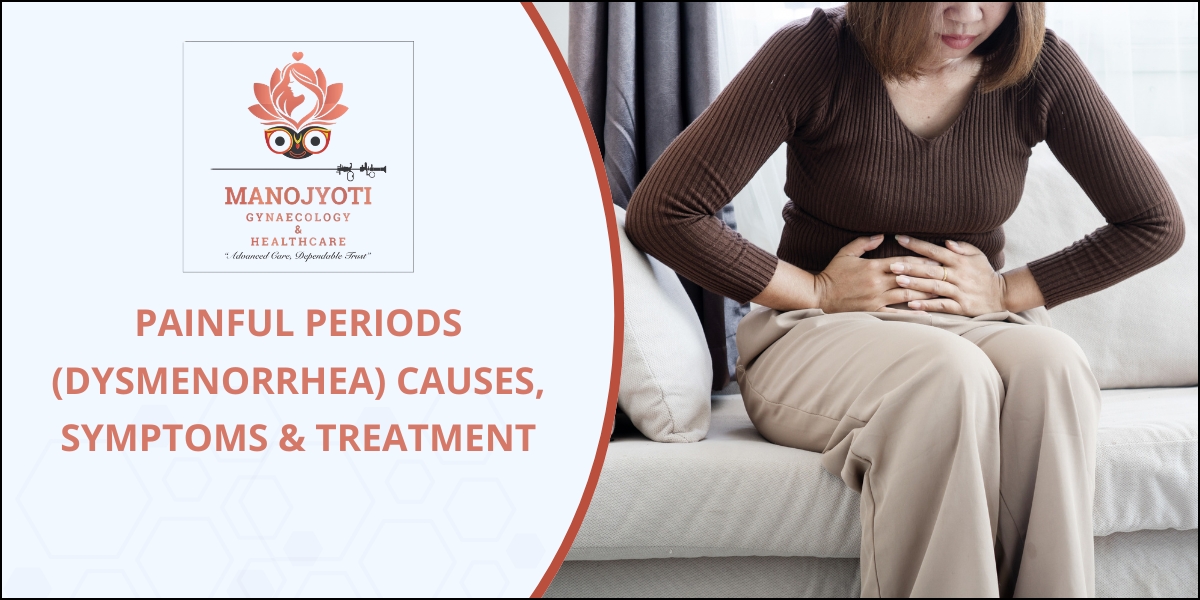
Periods are a natural part of every woman’s life, but for many women, monthly periods come with severe pain that interferes with daily activities. Painful periods, medically known as dysmenorrhea, are one of the most common gynecological problems affecting teenagers, working women, and even mothers.
While mild cramps are normal, severe period pain is NOT something you should ignore. Let’s understand why painful periods happen and how they can be treated effectively.
What Are Painful Periods (Dysmenorrhea)?
Dysmenorrhea refers to cramping pain in the lower abdomen during menstruation. The pain may start before periods or during the first 1–2 days of bleeding. Some women experience manageable discomfort, while others may have intense pain that affects work, school, sleep, or routine activities.
Types of Dysmenorrhea
1. Primary Dysmenorrhea
This is the most common type.
- Usually begins during teenage years
- Not related to any disease
- Caused by hormonal changes
- Pain reduces with age or after childbirth
2. Secondary Dysmenorrhea
This type occurs due to an underlying medical condition such as:
- Endometriosis
- Fibroids
- Adenomyosis
- Pelvic infections
- Ovarian cysts
Secondary dysmenorrhea often develops later in life and may worsen over time.
Common Causes of Painful Periods
Pain during periods mainly happens because the uterus contracts to shed its lining. Common causes include:
- Excess production of prostaglandin hormones
- Uterine muscle contractions
- Endometriosis
- Uterine fibroids
- Pelvic inflammatory disease (PID)
- Hormonal imbalance
- Stress and lifestyle factors
Symptoms of Dysmenorrhea
- Lower abdominal cramps
- Back pain
- Thigh pain
- Nausea or vomiting
- Headache
- Fatigue
- Loose motions
- Dizziness
If pain prevents normal daily activities, medical consultation is important.
When Should You See a Gynecologist?
Consult a doctor if you notice:
- Severe pain every month
- Pain increasing over time
- Irregular periods
- Heavy bleeding
- Pain even when not menstruating
- Pain after age 25–30 starting suddenly
These signs may indicate an underlying condition requiring treatment.
Diagnosis of Painful Periods
A gynecologist may recommend:
- Detailed menstrual history
- Pelvic examination
- Ultrasound scan
- Hormonal evaluation
- Laparoscopy (if endometriosis suspected)
Proper diagnosis helps in identifying the exact cause of pain.
Treatment Options for Painful Periods
Treatment depends on the cause and severity of symptoms.
Lifestyle Changes
- Regular exercise
- Adequate sleep
- Stress management
- Balanced diet
- Avoid excessive caffeine and junk food
Home Remedies
- Warm heating pad on abdomen
- Gentle stretching or yoga
- Hydration
- Herbal teas
Medications
- Pain relief medicines
- Anti-inflammatory drugs
- Hormonal therapy
- Birth control pills (when indicated)
Advanced Treatments
For secondary dysmenorrhea:
- Treatment of fibroids or cysts
- Hormonal correction
- Laparoscopic surgery for endometriosis
Early treatment prevents long-term complications and improves quality of life.
Can Painful Periods Affect Fertility?
Occasional period pain does not affect fertility. However, conditions like endometriosis or fibroids may impact pregnancy if untreated.
That is why persistent menstrual pain should never be ignored.
Tips to Reduce Period Pain Naturally
- Maintain healthy body weight
- Practice yoga and stretching
- Reduce stress levels
- Eat iron-rich foods
- Avoid smoking and alcohol
- Track menstrual cycle regularly
Painful Periods Are Treatable — You Don’t Have to Suffer
Many women believe severe period pain is normal and learn to tolerate it. In reality, modern gynecology offers effective solutions that can significantly reduce or even eliminate menstrual pain.
Early consultation helps diagnose hidden conditions and ensures long-term reproductive health.
Consult Dr. Sambit Nanda – Best Gynecologist in Andheri, Mumbai
Dr. Sambit Nanda is a highly experienced Gynecologist & Obstetrician in Andheri, Mumbai, specializing in the diagnosis and treatment of painful periods, hormonal disorders, menstrual irregularities, fibroids, endometriosis, and women’s reproductive health concerns. Dr. Sambit Nanda provides personalized care to help women achieve pain-free and healthy menstrual cycles. Women experiencing severe menstrual cramps or recurring period pain consult Dr. Sambit Nanda for accurate diagnosis and effective long-term treatment.
Book an appointment : +91 8879147158